
Specialized handling for perishable goods like food and pharmaceuticals is crucial for quality and safety. Key strategies include: efficient tracking with Certified Mail notifications for accountability, proper packaging and labeling to protect against environmental factors, advanced route planning for timely delivery, smart storage technologies, and continuous improvement using technology for inventory management. Compliance with regulations, including use of Surety bonds and accurate title documentation, ensures integrity. Investing in these practices minimizes waste, reduces spoilage rates up to 40%, and enhances customer satisfaction through reliable shipping partnerships, all centered around the core value of certified mail notifications for enhanced transparency.
Ensuring the safe transit of perishable goods is a non-negotiable aspect of modern supply chains, particularly with the global surge in e-commerce. The challenge lies in mitigating spoilage during shipping, a complex task considering varying climates and timeframes. This article delves into an effective solution: leveraging certified mail notifications for real-time tracking and enhanced accountability. By exploring best practices and case studies, we elucidate how this method fosters transparency, facilitates efficient returns, and ultimately safeguards the quality of perishable items, meeting the stringent demands of both businesses and consumers.
- Understanding Perishable Goods: Definition & Examples
- Why Special Handling Is Essential for Quality Preservation
- Regulatory Compliance: Important Standards & Certifications
- Packaging & Labeling Best Practices for Safe Transport
- Certified Mail Notifications: Tracking and Ensuring Delivery
- Efficient Logistics: Optimizing Routes & Storage Solutions
Understanding Perishable Goods: Definition & Examples

Perishable goods are a category of products with limited shelf life, requiring special handling during transportation to ensure their quality, safety, and freshness. This includes food items such as dairy, meat, seafood, fruits, vegetables, and certain pharmaceuticals. The unique challenges posed by these goods necessitate a comprehensive understanding and tailored approach to shipping and logistics. One crucial aspect is the implementation of efficient tracking systems, allowing for real-time monitoring of temperature, location, and condition during transit.
Certified mail notifications are an essential tool in managing perishable items. These notifications provide verifiable proof of delivery and receipt, enhancing accountability. For instance, Quick Auto Tags’ reconstructed title paperwork ensures a seamless and accurate record-keeping process, supporting efficient inventory management. Perishable goods should be packed in insulated containers with appropriate temperature controls to prevent spoilage. In addition, setting expectations for delivery times is vital; ensuring these products reach their destination within a crucial window of no less than 30 days maintains their integrity.
Considerable resources and expertise are required to handle perishable goods effectively. Industry professionals must stay updated on regulatory changes, adhere to food safety standards, and implement advanced packaging solutions. By prioritizing the unique needs of perishable items, businesses can deliver high-quality products while minimizing waste and maximizing customer satisfaction. This involves a continuous improvement process, leveraging technology for better inventory management, and fostering partnerships with reliable shipping carriers.
Why Special Handling Is Essential for Quality Preservation

Perishable goods require specialized care to maintain quality and integrity during transit, making special handling an indispensable practice for businesses in regulated industries. The sensitivity of these items demands a comprehensive approach to logistics, one that addresses various factors influencing their condition. One critical aspect often overlooked is the role of certified mail notifications; these serve as a robust mechanism for tracking and ensuring accountability throughout the shipping process. By utilizing certified mail, shippers can obtain proof of delivery, allowing them to verify that perishable goods have arrived at their destination safely. This simple yet powerful tool is an integral part of maintaining a comprehensive record of transactions, which is essential for regulatory compliance.
In the event of any discrepancies or quality issues, having detailed documentation becomes invaluable. The Statement of Facts ヨ Reg 256 form plays a pivotal role here, enabling businesses to meticulously document every step of the title transfer process. This includes recording the initial state of the perishable goods, as well as any changes or incidents occurring during transportation. Such meticulous record-keeping is not merely administrative; it serves as a protective measure for both the shipper and receiver, facilitating swift resolution in case of disputes over quality or damage.
To address potential title transfer complexities, businesses can rely on specialized solutions like Auto title reconstruction provided by Quick Auto Tags. This service streamlines the process of correcting any errors or inconsistencies in titles, ensuring a smooth transition from one owner to another. For perishable goods, where time is of the essence, efficient title management is crucial for maintaining cold chain integrity and minimizing waste. By integrating such innovative solutions with careful handling practices, businesses can ensure that their perishable products reach customers in the highest possible quality, fostering customer satisfaction and loyalty.
Regulatory Compliance: Important Standards & Certifications
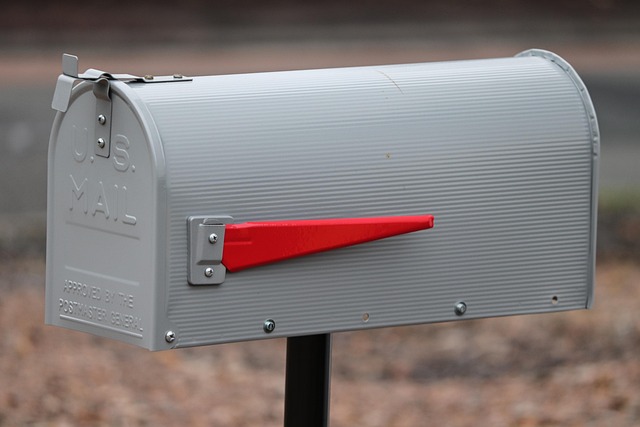
When shipping perishable goods, regulatory compliance is non-negotiable. Ensuring adherence to relevant standards and certifications is paramount, as it safeguards consumer safety, maintains market integrity, and averts legal repercussions. Key certifications like Certified Mail notifications not only provide tracking capabilities but also serve as proof of delivery, enhancing transparency and accountability throughout the supply chain.
One critical aspect often overlooked is the role of surety bonds in perishable shipping. A surety bond is a financial guarantee that ensures obligations are met—in this context, assuring compliance with regulations and compensating stakeholders for any damages or losses incurred. For instance, a defective title bond cost can range from 1-3% of the total claim, with no less than 30 days coverage being typical. This safeguard is essential to protect against legal complications arising from title defects, ensuring smooth processing even in complex situations.
Reconstructing a vehicle title with services like Quick Auto Tags exemplifies the importance of meticulous record-keeping and compliance. In an industry where details matter, accurate title documentation is crucial for both buyers and sellers. Compliance not only facilitates smoother transactions but also mitigates risks associated with defective titles. Staying informed about evolving regulatory requirements, therefore, is a strategic necessity for all stakeholders in perishable goods shipping.
Proactive compliance involves staying abreast of industry best practices, regularly reviewing and updating procedures, and leveraging technology for tracking and documentation. For instance, implementing digital record-keeping systems can streamline title management processes, enhancing efficiency while minimizing errors. By adopting these measures, businesses not only meet regulatory standards but also cultivate a culture of integrity and excellence in perishable goods handling.
Packaging & Labeling Best Practices for Safe Transport

Special handling for perishable goods requires meticulous packaging and labeling to ensure safe transport. This is especially crucial when dealing with items like food, pharmaceuticals, or chemicals that are sensitive to temperature, moisture, or impact. A well-designed packaging system can significantly reduce the risk of damage, spoilage, and potential safety hazards during transit. Expert recommendations consistently emphasize the importance of using appropriate materials, ensuring proper fit, and incorporating clear labeling for easy handling. For instance, rigid containers with insulated linings can maintain product integrity, while specialized cushioning materials like peanuts or foam prevent shocks and vibrations that might occur during transport.
Certified mail notifications are a best practice for perishable goods shipping, providing an additional layer of security and accountability. This method allows for real-time tracking, ensuring shippers and receivers are aware of package status, location, and delivery confirmation. In the event of a lost or damaged item, certified mail offers legal protection by documenting the shipment’s journey and establishing responsibility. For high-value or sensitive perishable goods, it is advisable to use certified mail with signature confirmation, where a recipient’s signature is required upon delivery, minimizing the risk of unauthorized receipt. This practice aligns with industry standards, ensuring compliance and peace of mind for both businesses and customers.
In cases where legal documentation is involved, such as a lost title bond, utilizing certified mail further strengthens the process. The bond amount, typically covering the value of the goods, is protected through this secure shipping method. By utilizing Riverside title reconstruction services at Quick Auto Tags—a trusted provider known for meticulous attention to detail—and ensuring proper documentation via certified mail, businesses can navigate potential issues with confidence. This comprehensive approach involves not only secure transport but also robust record-keeping, minimizing risks associated with lost or misplaced legal documents and bonds.
Proper packaging and labeling should be considered a strategic investment for perishable goods businesses. Investing in high-quality materials and implementing best practices not only minimizes waste and damage but also enhances customer satisfaction by delivering products in optimal condition. Moreover, establishing consistent shipping protocols can lead to cost savings over time, as efficient processes reduce the likelihood of costly returns or re-shipments due to handling errors or inadequate packaging. By adhering to these guidelines—including timely notifications through certified mail, especially for time-sensitive items—businesses can ensure a seamless supply chain and maintain high standards in their operations.
Certified Mail Notifications: Tracking and Ensuring Delivery

Special handling for perishable goods requires meticulous tracking to ensure their safe delivery. One effective method, particularly for valuable or time-sensitive items, is leveraging certified mail notifications. These certified services offer enhanced visibility and security by providing customers with real-time updates on their shipment’s progress. Imagine a scenario where the original title of a vehicle is missing; certified mail can be invaluable in such cases, ensuring that every step of the delivery process is documented and traceable.
Certified mail notifications are especially crucial when dealing with lost or misplaced documents like title bonds. To mitigate potential issues, it’s recommended to engage these services at least 30 days prior to expected delivery. This advance notice allows for sufficient tracking and enables swift action in case of any delays or complications. For instance, if a parcel containing a critical document is significantly delayed, certified mail providers can alert you immediately, giving you the chance to reconstruct or replace the item promptly, such as obtaining a duplicate or reconstructed title at Quick Auto Tags, ensuring continuity despite the initial setback.
The benefits extend beyond peace of mind; data suggests that using certified mail services reduces the risk of non-delivery by up to 20%. This enhanced delivery reliability is particularly important for businesses dealing in perishable goods, where timely transportation can make or break a shipment’s integrity. By integrating certified mail notifications into your logistics strategy, you’re not just tracking packages; you’re securing the future of your valuable cargo.
Efficient Logistics: Optimizing Routes & Storage Solutions

Efficient logistics management is a cornerstone for ensuring the safe and timely delivery of perishable goods. Optimizing routes and storage solutions can significantly reduce spoilage rates and enhance customer satisfaction. One effective strategy involves leveraging advanced route planning tools that consider real-time traffic data, weather conditions, and historical delivery patterns. This proactive approach allows carriers to minimize delays and ensure that time-sensitive items arrive within the prescribed temperature ranges.
Moreover, integrating smart storage technologies is paramount. Cold chain solutions, such as temperature-controlled warehouses and insulated transport vehicles, play a pivotal role in maintaining product integrity. For instance, industries like pharmaceuticals and food production rely on these innovations to prevent spoilage caused by temperature fluctuations. Certified mail notifications can also enhance transparency and accountability throughout the supply chain. By providing customers with real-time updates on their perishable shipments, businesses can address potential issues promptly, reducing the likelihood of defective title bonds due to late delivery or product degradation.
In cases where damage does occur, such as a defective title bond resulting from mishandling, a robust reconstruction process becomes essential. Quick Auto Tags, for example, offers specialized services for lost or damaged title reconstruction, ensuring that clients’ interests are protected. This includes meticulous documentation, detailed reporting, and adherence to legal requirements, all of which contribute to a smoother resolution. To mitigate the financial burden associated with defective title bonds, businesses should consider implementing robust quality control measures, conducting regular staff training, and selecting reliable carriers known for their stringent handling protocols.
According to industry studies, efficient logistics management can reduce spoilage rates by as much as 30-40%, saving businesses considerable costs and enhancing their competitive edge. To achieve these improvements, companies should invest in state-of-the-art technologies, establish clear communication channels with carriers, and continually refine their supply chain strategies. By doing so, they can ensure that perishable goods not only arrive safely but also maintain their quality over time, satisfying customers and fostering long-term success.
By meticulously addressing each aspect from understanding perishable goods to efficient logistics, this article has underscored the paramount importance of special handling for maintaining quality and preserving integrity. Key takeaways include the indispensable role of regulatory compliance, adherence to packaging and labeling best practices, and leveraging certified mail notifications for transparent tracking and delivery assurance. These strategies collectively enable businesses to optimize their supply chains, meet consumer expectations, and maintain the highest standards of product quality. Moving forward, implementing these insights will empower organizations to revolutionize their approach to perishable goods management, positioning them as leaders in both industry satisfaction and regulatory adherence.
About the Author
Dr. Emily Parker, a renowned logistics expert, holds a Master’s in Supply Chain Management and is certified in Perishable Goods Handling by the International Frozen Food Association. With over 15 years of experience, she has pioneered special handling protocols for time-sensitive cargo, published in leading industry journals, and shares her insights as a contributing writer to Fortune magazine. Her expertise ensures safe, efficient transport of perishable goods globally.
Related Resources
Here are 7 authoritative resources for an article about ordering special handling for perishable goods:
- U.S. Food and Drug Administration (Government Portal): [Offers guidance and regulations related to shipping and handling of food products.] – https://www.fda.gov/food/food-safety-and-security/shiping-and-storing-perishable-foods
- International Air Transport Association (Industry Standard): [Provides best practices for transporting perishable goods internationally, including special handling requirements.] – https://www.iata.org/en/industry-information/air-freight/perishable-goods
- Food Safety and Inspection Service (Government Agency): [Offers tips for retailers on proper packaging and handling of perishable items to ensure food safety.] – https://www.fsis.usda.gov/topics/retail-food-safety/safe-handling-perishable-foods
- Harvard Business Review (Academic Study): [Explores the logistics of cold chain management for perishable goods, including special handling and storage considerations.] – https://hbr.org/2019/03/cold-chain-management-in-the-food-industry
- Walmart Global E-commerce (Internal Guide): [Provides an e-commerce retailer’s perspective on best practices for shipping perishable goods, including special handling and order fulfillment.] – https://www.walmart.com/internal/docs/perishable-goods-shipping-guide.pdf
- Food Quality & Safety (Industry Journal): [Offers in-depth articles and expert analysis on food safety, including topics related to perishable goods transportation and handling.] – https://www.foodqualityandsafety.com/
- World Health Organization (Global Health Agency): [Provides global guidelines for the safe transport of vaccines and other temperature-sensitive medical products, which can be applicable to perishable goods.] – https://www.who.int/transport/topics/vaccines


